by Robert Haverly | Jul 23, 2023 | cataract, Erie PA, Eye Health, Ophthalmology
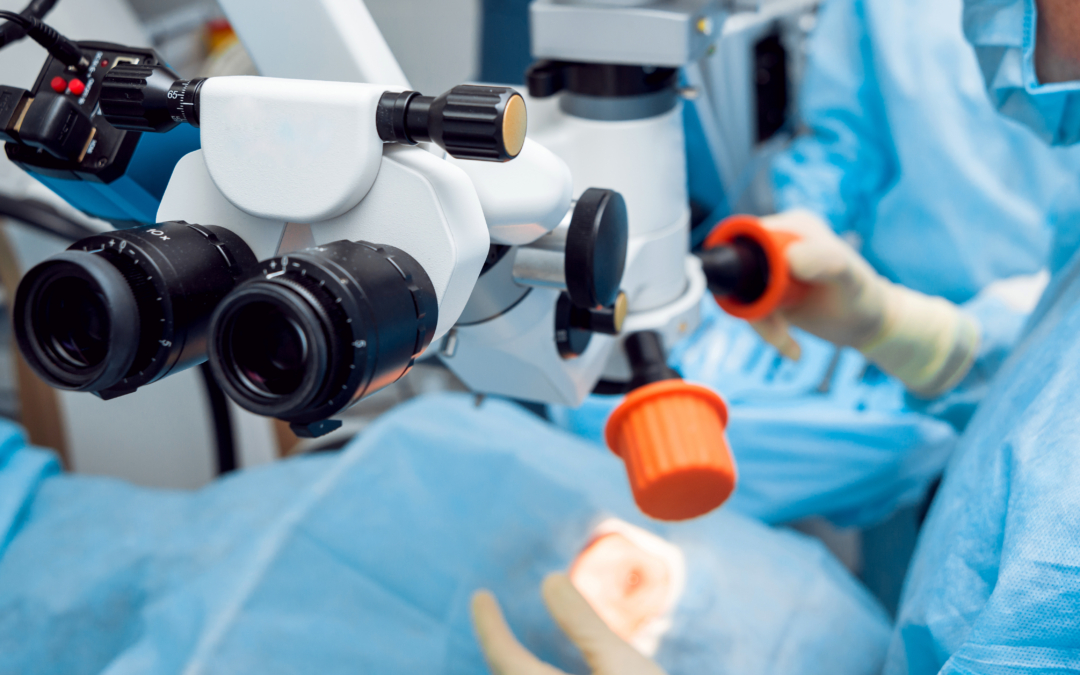
Cataract surgery is a relatively straightforward procedure that typically takes about 10 minutes if it is uncomplicated. The recovery time is relatively short, with complete healing taking about four weeks, provided certain precautions are taken.
To ensure a smooth recovery, here are some essential guidelines to follow:
- Protect your eyes from sunlight by wearing sunglasses when outdoors, especially during the first few days after surgery, as your eyes will be more sensitive to light.
- Use the protective shield over your eye as recommended by your cataract surgeon, even while sleeping, to avoid accidentally rubbing your eyes.
- Adhere to the prescribed schedule for antibiotic and anti-inflammatory eye drops to prevent infection and reduce inflammation.
- Avoid bending over immediately after the procedure to prevent unnecessary pressure on your eye.
- Refrain from driving on the first day after cataract surgery.
- Avoid lifting heavy objects or engaging in strenuous activities for the first week following surgery.
- Stay away from swimming or using hot tubs during the first week after surgery.
- Resist the urge to rub or push on your healing eye, even if it feels itchy, to avoid causing damage.
- Protect your eye from grime, dust, dirt, and wind during the initial weeks after surgery by using protective eyewear if necessary.
- Schedule a follow-up appointment for the day after your cataract surgery to monitor your recovery progress and identify any potential complications.
Within a few hours after being discharged, you can engage in light activities like watching television or using a computer. Follow the post-operative instructions diligently to ensure the best possible recovery. If both eyes require cataract surgery, the second eye will be operated on after one to two weeks after the first eye.
Cataract removal is a safe and commonly performed procedure, with nearly 3 million surgeries conducted annually in the United States. The vast majority of patients (96%) experience excellent outcomes, achieving at least 20/40 uncorrected distance visual acuity with no complications. However, if you encounter any post-operative issues described here, promptly schedule an appointment with us for immediate treatment.
If you are over 40 and experiencing cloudy or blurry vision, it could be a sign of cataracts.
For further topics on eye-related issues, feel free to explore more about cataracts, glaucoma, cornea and external eye disease, eyelid disorders, macular degeneration, retina diseases, and LASIK on our website and links below;
https://www.aao.org/eye-health/diseases/what-are-cataracts
https://www.erielasereye.com/our-services/cataract-surgery-with-dr-haverly/
https://www.erielasereye.com/https-www-erielasereye-com-our-services-cataract-surgery/

by Robert Haverly | Jul 18, 2023 | Eye Health, Healthy Foods, News, Ophthalmology
If you’re looking food that promotes healthy eyes, you’ll be glad to know that the same diet that benefits your heart and overall well-being also supports your eyes. Numerous studies suggest that a diet rich in certain nutrients can reduce the risk of eye diseases and support optimal eye health.
Here are fabulous food recommendations for maintaining healthy eyes that everyone should enjoy to eat:
- Vitamin A-Rich Foods: Vitamin A is crucial for maintaining good vision and preventing conditions like night blindness. Include orange-colored vegetables like carrots, sweet potatoes, and fruits such as cantaloupe and apricots in your diet.
- Vitamin C-Rich Foods: Vitamin C acts as an antioxidant and helps protect the eyes from harmful free radicals. Citrus fruits like oranges, tangerines, grapefruits, and lemons, as well as other fruits and vegetables like peaches, red bell peppers, tomatoes, and strawberries, are excellent sources of vitamin C.
- Vitamin E-Rich Foods: Vitamin E is an antioxidant that plays a role in maintaining healthy cells. Include foods such as avocados, almonds, and sunflower seeds in your diet to ensure an adequate intake of this nutrient.
- Omega-3 Fatty Acids: Consuming cold-water fish like salmon, tuna, sardines, halibut, and trout, which are rich in omega-3 fatty acids, can help reduce the risk of eye diseases and improve tear function.
- Lutein and Zeaxanthin: These antioxidants protect the macula, the central part of the retina responsible for detailed vision. Leafy green vegetables like kale, spinach, romaine lettuce, collards, turnip greens, broccoli, peas, and eggs are good dietary sources of these nutrients.
- Zinc and Copper: Zinc is essential for retinal health, while copper is needed for red blood cell formation. Legumes like black-eyed peas, kidney beans, and lima beans provide both zinc and copper. Other sources of zinc include oysters, lean red meat, poultry, and fortified cereals.
While obtaining these nutrients through a well-balanced diet is ideal, individuals with macular degeneration may benefit from supplements as recommended by the Age-Related Eye Disease Study 2 (AREDS2). If you or a family member has age-related macular degeneration, consult with an ophthalmologist for personalized guidance.
Adopting a healthy diet that incorporates these recommendations can support your eye health and overall well-being throughout your life.
Sources
National Eye Institute. https://www.nei.nih.gov/learn-about-eye-health/healthy-vision/keep-your-eyes-health
American Academy of Ophthalmology https://www.aao.org/eye-health/tips-prevention/fabulous-foods-your-eyes
by Robert Haverly | Jul 14, 2023 | Eye Health, LASIK, News, Ophthalmology
LASIK Procedure Simplified
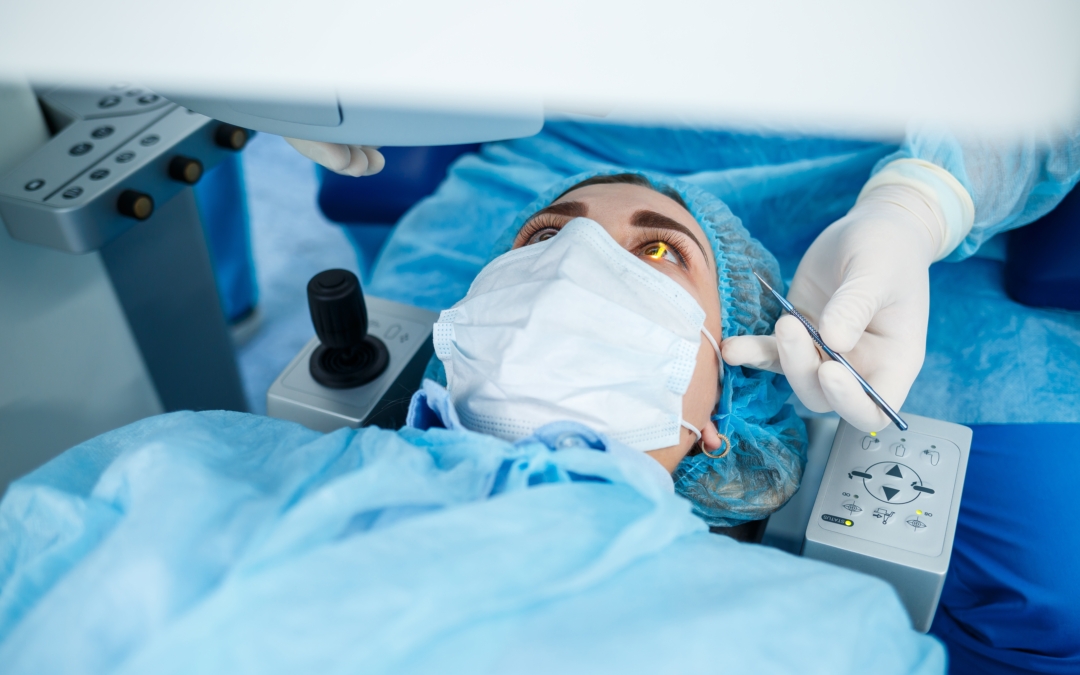
At Laser Eye Surgery of Erie, we strive to ensure that your LASIK experience is hassle-free and comfortable. Here is a simplified overview of the LASIK procedure
- Preparation: Our surgery suite is conveniently located within our office. On the day of your procedure, arrange for someone to drive you and plan to spend approximately 1 hour at our office.
- Relaxation: You will be provided with mild sedation to help you relax before the procedure.
- Numbing and disinfection: Your eyes will be numbed with anesthetic drops, and Povidone-Iodine will be applied around the eyes to prevent infection.
- Femtosecond Laser Ring: A specialized ring is placed on your eye, causing temporary black or blurred vision for about 1 minute. This is normal, and you will also experience a pressure sensation.
- Flap creation: The IFS Intralase Femtosecond laser is used to create a thin “flap” with a hinge on your cornea. This flap is lifted to allow the laser to reshape the inner corneal tissue.
- Reshaping the cornea: The Visx STAR 4 excimer laser, programmed specifically for your vision correction needs, is directed onto the exposed inner corneal tissue. The computer-guided laser gently reshapes the cornea.
- Laser treatment experience: During the excimer laser treatment, you may experience a peculiar smell, see bright lights, and feel a sensation similar to water.
- Flap replacement: Once the laser treatment is complete, the corneal flap is carefully repositioned to its original place, ensuring proper alignment.
- Sensations and recovery: Most patients report minimal pressure but no pain during the procedure. Some discomfort may be experienced for a day or two afterward, but this can be managed with prescribed eye drops.
- Rest and healing: Although some patients experience immediate vision improvement after LASIK, it is recommended to have someone drive you home. Most patients take at least one day for their vision to improve, some longer depending on your glasses prescription, eye health, and medical conditions. Resting with closed eyes will aid in the healing process. A follow-up appointment is necessary the following day, so arrange for transportation.
If you have any further questions or wish to schedule your FREE LASIK Consultation, please don’t hesitate to contact us. Additionally, if you are not a suitable candidate for LASIK, our team can evaluate you for PRK (Photorefractive Keratectomy), which offers the same excellent results but the procedure performed differently.
https://www.erielasereye.com/our-services/lasik-eye-surgery/
https://www.erielasereye.com/
https://www.aao.org/eye-health/treatments/lasik

by Robert Haverly | Jun 17, 2023 | Events, Eye Health, LASIK, News
The 4th of July is approaching quickly! Not everyone thinks about preventing eye injuries around fireworks, but we all should. Fireworks bring joy and excitement to celebrations, but they also pose risks, especially when it comes to eye injuries. By taking preventive measures, we can enjoy fireworks safely. Let’s look at the statistics and learn how to prevent eye injuries caused by fireworks.
Surprising Statistics:
Eye injuries from fireworks can range from burns to complete loss of vision. In the US, around 19% of the estimated 7,000 fireworks-related injuries during Fourth of July celebrations in 2019 affected the eyes. Surprisingly, about 65% of these injuries happened to bystanders. Studies also show that males, children, and young adults are more prone to eye injuries from fireworks. Preventing eye injuries around fireworks should be a top priority. Let’s look at some prevention tips:
Prevention Tips:
- Attend public firework displays organized by professionals.
- Maintain a safe distance if using fireworks at home.
- Wear approved safety glasses or goggles to protect your eyes.
- Educate children about firework dangers and closely supervise them.
- Respect local laws and regulations on firework usage.
Know How to Treat Fireworks Eye Injuries:
Fireworks-related eye injuries can combine blunt force trauma, heat burns and chemical exposure. Fireworks can burn at more than 2,000 degrees Farenheit. The injuries can happen in an instant even and no one is immune to accidents. An eye injury from fireworks is a medical emergency and immediate treatment is needed. Here are some tips:
- Do not rub your eyes.
- Do not rinse your eyes.
- Do not apply pressure.
- Do not remove any objects that are stuck in the eye.
- Do not apply ointments or take any blood-thinning pain medications such as aspirin or ibuprofen unless directed by a doctor.
- Go to the Emergence Room as soon as possible.
Conclusion:
Fireworks can be enjoyed safely by following preventive measures. By attending professional displays, maintaining a safe distance, wearing eye protection, educating children, and respecting local laws, we can minimize the risk of eye injuries. Let’s celebrate responsibly and keep our eyes safe during fireworks festivities.
More information
https://www.aao.org/eye-health/tips-prevention/injuries-fireworks-eye-safety
https://www.erielasereye.com
by Robert Haverly | Jun 10, 2023 | Eye Health, LASIK
10 Things You Should Know About LASIK:
1. Vision Improvement: LASIK is a highly effective procedure that can significantly improve vision, allowing you to reduce or eliminate their dependence on glasses or contact lenses.
2. Possible Side Effects: While LASIK is generally safe, you may experience temporary side effects such as dry eyes, halos or glare, fluctuating vision, but serious complications can occur. It is important for you to follow the post-operative instructions.
3. Quick Recovery: Most LASIK patients experience a relatively quick recovery. Many people notice improved vision within a few hours after the procedure, and the majority can resume normal activities within a day or two.
4. Pre-existing Eye Conditions: LASIK may not be suitable for you. Patients with certain pre-existing eye conditions, such as cataracts, glaucoma, or severe dry eyes, may not be good candidates for LASIK.
5. Long-Term Results: LASIK generally provides long-lasting vision correction. While individual results may vary, many patients maintain their improved vision for years or even decades after the procedure.
6. Enhanced Night Vision: While LASIK can improve vision during the day, you may experience difficulties with night vision, such as halos or glare around lights.
7. Convenience: One of the primary benefits of LASIK is the convenience it offers. You may no longer need to worry about carrying or maintaining glasses or dealing with the hassle of putting in and removing contact lenses.
8. Possible Need for Enhancements: In some cases, you may require additional procedures or enhancements to achieve the desired level of vision correction. This can happen if the initial LASIK procedure doesn’t fully correct the vision or if changes occur over time.
9. Dry Eye Syndrome: Dry eyes are a common side effect of LASIK. You may experience dryness, itching, or a foreign body sensation in their eyes after the procedure. These symptoms can be managed with artificial tears or other treatments.
10. Corneal Flap Risks: LASIK involves creating a corneal flap to access the underlying tissue. While this flap is usually secure and heals well, there is a small risk of complications, such as flap dislocation, infection, or wrinkling. These risks are low but should be considered.
It is crucial to understand the 10 key aspects of LASIK. Equally important is consulting with an experienced eye care professional to evaluate your eligibility for the procedure, discuss potential risks or concerns, and make an informed decision. It’s possible that another procedure may be more suitable for you, or you may decide to stick with contacts and glasses.
https://www.erielasereye.com/our-services/lasik-eye-surgery
https://www.aao.org/eye-health/treatments/lasik
