by Robert Haverly | Jun 8, 2023 | Blog, Eye Health, Ophthalmology, Optometry
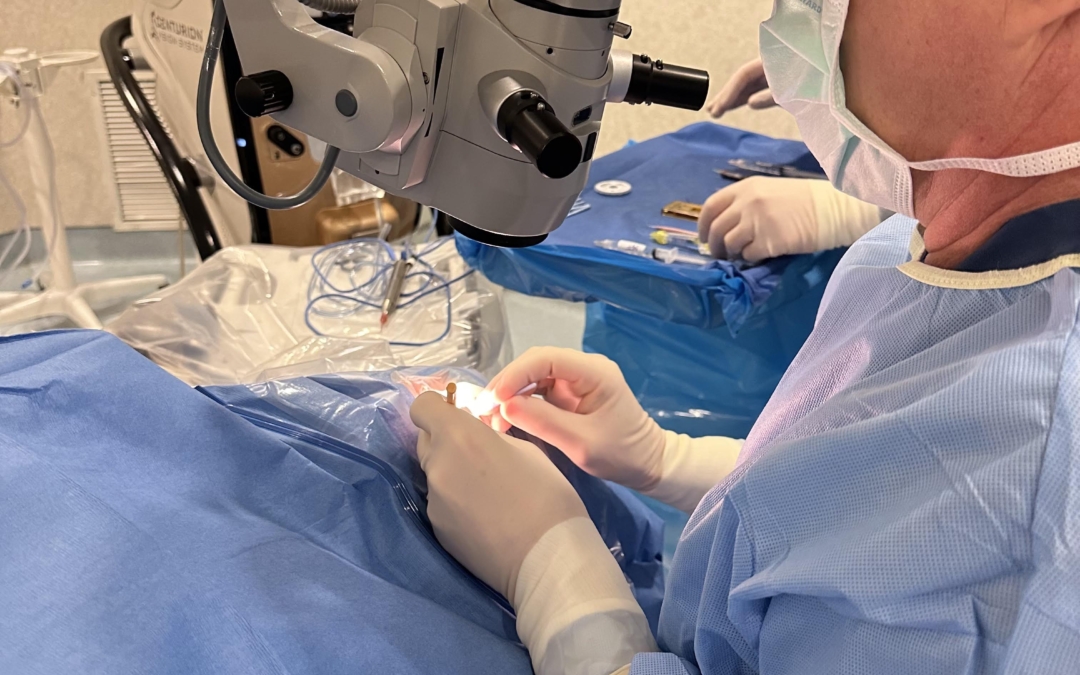
Cataract Awareness Month is observed in June, aiming to raise awareness about cataracts and their impact on vision. Cataracts occur when the lens in the eye becomes clouded, leading to symptoms like blurred vision, sensitivity to glare, and difficulty seeing at night.
Understanding preventive measures is crucial in reducing the risk of developing cataracts:
- Regular eye exams: Scheduling routine eye examinations enables early detection of cataracts, facilitating timely treatment and improved visual outcomes.
- Sun protection: Shielding your eyes from harmful UV rays by wearing sunglasses that block 99 to 100 percent of UV radiation helps minimize cataract formation.
- Avoid smoking: Smoking has been linked to an increased risk of cataracts, emphasizing the importance of refraining from tobacco
- Healthy diet: Consuming a nutritious diet rich in fruits, vegetables, and whole grains supports overall eye health and helps protect against cataracts.
If diagnosed with cataracts, various treatment options are available, with cataract surgery being the most common and effective approach to restore vision.
Cataract surgery can be performed using two primary techniques: laser-assisted or traditional blade methods. Laser cataract surgery has gained popularity due to its perceived safety advantages, including easier removal of the cataract nucleus, treatment of astigmatism, and reduced risk of complications.
When considering cataract surgery, the size of the cataract is an important factor to consider. Generally, smaller cataracts are easier to remove and have a lower risk of complications. In some cases, individuals with smaller cataracts may choose to monitor their condition and delay surgery until it significantly affects daily activities like reading or driving.
However, if a cataract causes noticeable vision impairment, such as blurred vision, glare, or difficulty seeing at night, it may be advisable to proceed with surgery, even if the cataract is relatively small. Ultimately, the decision should be made in consultation with an eye care professional who can assess the specific circumstances and provide guidance on the most appropriate course of action.
There are various options for lens implants during cataract surgery. To determine the best choice for you, it is recommended to discuss with your eye doctor, taking into account your eye health and lifestyle goals.
Remember, cataracts are a treatable condition, and cataract surgery can significantly improve visual acuity and overall quality of life. If you have any concerns or questions regarding cataracts, consult with your doctor or ophthalmologist, who can offer personalized advice based on your individual situation.
More information about cataract surgery and lens implant options: www.erielasereye.com/home
Also:https://www.aao.org/eye-health/diseases/what-is-cataract-surgery

by Robert Haverly | Jun 4, 2023 | Blog, Eye Health, News, Ophthalmology, Optometry
The COVID-19 Pandemic and Nearsightedness in Children
The prevalence of myopia, commonly known as nearsightedness, has been rising worldwide, particularly among children. However, the COVID-19 pandemic has posed additional challenges to the ocular health of children, giving rise to serious concerns regarding the progression of myopia. Myopia can cause more serious harm than just the need for glasses or contacts. Patients with myopia have an increased risk for retinal tears, retinal detachments, and macular degenerative diseases. These conditions can cause irreversible vision loss.
Myopia occurs when the eyeball becomes elongated, resulting in blurred distance vision. While genetic factors play a role, environmental influences have been found to significantly contribute to its progression. Notably, the COVID-19 pandemic has intensified one such environmental factor – increased screen time. Extensive reliance on remote learning and limited opportunities for outdoor activities have resulted in prolonged engagement in near work activities, putting excessive strain on the eyes and potentially aggravating myopia. Moreover, the lack of visual stimuli variety, such as looking at things at different distances and under different lighting conditions, compounds the issue.
Furthermore, the pandemic led to a reduction in outdoor physical activities and exposure to natural light. Natural light, particularly bright daylight, plays a vital role in regulating eye growth and promoting healthy vision development. The reduction in outdoor time disrupts this delicate balance and may accelerate the progression of myopia in children. Moreover, the increased use of electronic devices like mobile phones and tablets has been identified as a contributing factor to the progression of myopia in children.
Given the growing concern surrounding myopia progression, especially in the context of the pandemic, it is crucial to implement proactive measures. Here are several strategies to address this issue effectively:
- Establish clear guidelines and routines for screen time, ensuring regular breaks and incorporating offline activities. Encourage the pursuit of hobbies, physical exercise, and outdoor play to reduce prolonged engagement in near work activities.
- Encourage children to participate in outdoor activities such as nature walks and sports, thereby increasing exposure to natural light and providing a break from near work.
- Educate children and parents about the importance of maintaining proper posture, taking frequent breaks, and practicing eye exercises to alleviate digital eye strain. Adjusting screen settings to reduce eye fatigue can also be beneficial.
- Collaborate with educators to minimize screen time during remote learning. Explore alternative teaching methods, such as incorporating printed materials or audio-based learning, to reduce visual stress and mitigate the adverse effects of excessive screen time.
- Schedule routine eye examinations for children, even in the absence of apparent vision problems, to detect myopia at an early stage and facilitate timely intervention.
Conclusion:
The impact of the COVID-19 pandemic on the progression of nearsightedness in children is highlighted in this article. The significance of reduced outdoor time and increased screen time as substantial risk factors for myopia is underscored. Understanding these factors is vital in guiding interventions and implementing preventive strategies to mitigate the negative effects of the pandemic on children’s eye health. Proactive measures, such as managing screen time, prioritizing increased time spent outdoors, and regular eye examinations, play a critical role in addressing the growing prevalence of myopia. Further research is needed to explore the long-term implications and develop targeted interventions that effectively address the rising prevalence of myopia in children.
https://www.aao.org/education/editors-choice/myopia-progression-during-covid-19-pandemic-observ

by Robert Haverly | May 28, 2023 | Eye Health, LASIK, News
Sunglasses are important to our eye health. Our eyes are precious, delicate organs that deserve our utmost care and attention. Yet, when it comes to safeguarding our vision, many of us tend to overlook a simple yet crucial accessory: sunglasses. I’ll explain why wearing sunglasses is essential for maintaining eye health and protecting our eyes from potential harm.
The sun’s ultraviolet (UV) rays can wreak havoc on our eyes, leading to various eye conditions and long-term damage. Sunglasses with proper UV protection act as a shield, blocking harmful UV rays and reducing the risk of eye problems such as cataracts, macular degeneration, pterygia and pinguecula (growths on the eye), photokeratitis (sunburn of the eyes), and most importantly, cancers.
Many eye cancers are caused by exposure to the sun’s ultraviolet (UV) rays. Cancer can occur in the skin, conjunctiva, iris, retina and choroid. The types of cancers include basal cell carcinoma, conjunctival intraepithelial neoplasia (CIN), squamous cell carcinoma, and melanomas. Some of these cancers are life-threating. Wearing sunglasses and reduce the risk of cancer.
Have you ever experienced painful sunburned eyes after spending a day at the beach or in the snow? This condition, known as photokeratitis, occurs when the eyes are exposed to intense UV radiation. Wearing sunglasses with UV protection is crucial to prevent this temporary but uncomfortable condition. Additionally, snow and other bright surfaces can reflect UV rays, leading to snow blindness. Sunglasses provide a vital defense against these intense reflections.
Constant exposure to bright sunlight and glare can strain our eyes, causing fatigue, headaches, and difficulty focusing. By wearing sunglasses, we can alleviate eye strain and enhance visual comfort, allowing our eyes to relax and function optimally. This is particularly important for those who spend prolonged periods outdoors or engage in activities like driving, where glare can be a significant distraction.
The skin around our eyes is delicate and highly susceptible to sun damage. Prolonged exposure to UV rays can accelerate the aging process, leading to wrinkles, fine lines, and skin cancer. Some of the most common types of skin cancers around the eye is caused by the sun which include basal cell carcinoma. Sunglasses with large lenses and wrap-around styles provide additional protection, shielding the sensitive skin around the eyes from harmful UV rays and reducing the risk of premature aging and skin cancer.
Whether you’re enjoying a leisurely walk, playing sports, or engaging in outdoor adventures, wearing sunglasses is vital for eye protection. They act as a barrier, shielding your eyes from potential hazards such as dust, debris, wind, and insects. Additionally, polarized sunglasses can reduce glare from water, sand, and shiny surfaces, ensuring better visibility and safety during activities like boating, skiing, or cycling.
Prioritizing the health and well-being of our eyes is of utmost importance. Wearing sunglasses isn’t just a fashion statement; it is a proactive step towards preserving our vision and protecting our eyes from the harmful effects of UV radiation, eye strain, and potential injuries. By investing in quality sunglasses with adequate UV protection and polarization, we can enjoy the great outdoors with confidence, knowing that we are actively safeguarding our precious eyesight. So, let’s make it a habit to wear sunglasses every time we step outside, allowing us to see the world in all its beauty while keeping our eyes healthy and vibrant for years to come.
https://www.erielasereye.com/eyewear-boutique
https://www.aao.org/eye-health/glasses-contacts/sunglasses-3

by Robert Haverly | May 14, 2023 | Eye Health, Ophthalmology, Optometry
Digital eye strain and the 20 20 20 rule
Digital eye strain (DES) is a common condition that affects people who use digital devices for extended periods of time. It is characterized by a variety of symptoms, including eye strain, blurred vision, headaches, and dry eyes.
There are a number of factors that can contribute to DES, including:
- Uncorrected refractive errors. If you have nearsightedness, farsightedness, or astigmatism, you may be more likely to experience DES. This is because you may have to strain your eyes to focus on a computer screen or other digital device.
- A prolonged period of staring at a screen. When you stare at a screen, your eyes have to work harder to focus. This can lead to eye fatigue and strain.
- Poor lighting. If the lighting in your workspace is too bright or too dim, it can make it more difficult to focus on a screen. This can also contribute to DES.
- Poor posture. If you sit hunched over your computer or other digital device, it can put strain on your neck and shoulders. This can also lead to DES.
- Medical conditions. Individuals who have certain medical conditions, such as dry eyes, cataracts, and macular degeneration, are at an increased risk of experiencing digital eye strain (DES). These conditions can impede one’s ability to focus on a screen, consequently leading to eye strain. Furthermore, these conditions can result in reduced blinking frequency, leading to dry eyes. This can aggravate DES by causing further discomfort and irritation, which may initiate a self-perpetuating cycle that can exacerbate the severity of DES.
There are a number of things you can do to help prevent DES by using the 20 20 20 rule:
- Take breaks. Every 20 minutes, take a 20-second break to look at something that is at least 20 feet away. This will help your eyes to relax and refocus.
- Adjust the lighting. Make sure that the lighting in your workspace is not too bright or too dim. You may also want to use a glare filter on your computer screen.
- Get up and move around. Get up and move around every 20-30 minutes. This will help to improve your circulation and reduce muscle tension.
- Take care of your eyes. Make sure to get enough sleep and eat a healthy diet. You may also want to use artificial tears or eye drops to keep your eyes moist.
- See an eye doctor. If you are experiencing symptoms of DES, you should see an eye doctor. They can help you to determine the cause of your symptoms and recommend treatment options.
Here are some additional tips for preventing digital eye strain:
- Position your computer screen so that the top of the screen is at eye level.
- Use a larger font size.
- Make sure that your computer screen is free of glare.
- Take breaks to look away from the screen every 20 minutes.
- Blink frequently.
- Use artificial tears or eye drops to keep your eyes moist.
- Get regular eye exams.
If you have any of these medical conditions, you may be more likely to experience DES. If you are experiencing symptoms of DES, it is important to see an eye doctor. They can help you to determine the cause of your symptoms and recommend treatment options.
https://www.aao.org/eye-health/tips-prevention/what-does-20-20-vision-mean

by Robert Haverly | Apr 22, 2023 | Eye Health, Healthy Foods
Eye vitamins are very important for eye health and can help tame oxidative stress. Oxidative stress is one of the common factors leading to age-related eye diseases in older adults. Factors such as high oxygen consumption, high concentration of polyunsaturated fatty acids, and cumulative exposure to high-energy visible light in the eyes, lead to excessive generation of reactive oxygen species, hence triggering apoptosis of ocular cells and giving rise to ophthalmic diseases. Dietary supplements such as carotenoids, anthocyanins, and vitamins have antioxidant properties which may be of benefit in retaining better vision; thus, studies have been conducted to understand the role of dietary supplements in the treatment or prevention of ophthalmic diseases. While high concentration of carotenoids such as lutein and zeaxanthin decrease the risk of developing age-related macular disease, anthocyanins and vitamins play a role in the treatment and prevention of other ophthalmic diseases: saffron extract reduced intraocular pressure in glaucoma patients; bilberry extract prevented impairments in lenses and retina, as well as alleviate symptoms of dry eye disease; high concentration of beta-carotene may reduce the risk of developing cataract. Further studies with clinical measurements are required to investigate the effectiveness of antioxidants on visual function and ophthalmic diseases.
For more information about macular degeneration click https://www.erielasereye.com/additional-service/macular-degeneration/
https://www.aao.org/eye-health/diseases/vitamins-amd
