
by Robert Haverly | Feb 27, 2019 | News
Everyone loves a good wedding! It may be a little hot or a little cold but there is no doubt you want it perfect! If you’re going to be part of a wedding in the next few months, whether you’re in the wedding party or planning your own, then you know there are going to be lots of pictures. There will be at least an entire photo album’s worth, and probably just as many that don’t make the cut. You want to look and feel your best for all those pictures, and LASIK can help.
Here’s why you might want to start thinking about getting LASIK before that upcoming wedding. You’ll Always Look Back At Your Wedding If you’re the one getting married, the photos you take and the memories you make at your wedding will stay with you for the rest of your life. You’ll show them to your children and grandchildren, and you’ll always see those same faces smiling back out at you. So wouldn’t it be great if those smiling faces weren’t obstructed by glasses? With LASIK, you can rid yourself of glasses and contacts, and be ready for those photos. Even for parents or members of the wedding party, this might be the perfect time to get LASIK if you’ve been thinking about it. Nowadays, those photos will be shared with all your mutual friends and relatives via Facebook or Instagram. It’s worth thinking about losing the glasses or red eyes from contacts before going through all of those photos.
It’s Quick And Easy Planning a wedding can be a long and difficult process. LASIK is the exact opposite. It’s an outpatient procedure that takes about 10 minutes for each eye. Recovery time is also quite short. You’ll need to avoid some activities like swimming for a few weeks after LASIK, but you’ll be back to your normal routine in just a couple of days. You’ll hardly miss a beat as the wedding gets closer. If everything about planning the wedding has seemed like a challenge, then maybe it’s time to do something that’s easy and goes exactly as planned. LASIK Is For Life If you’re getting married soon, that means you’ll be taking some serious vows with your significant other. You’ll likely promise to stay with each other through good times and bad, for the rest of your lives. It’s a beautiful sentiment, and fortunately, it also applies to LASIK eye surgery. You’ll have permanently improved vision that lasts the rest of your life. So why not add two great things to your life this year—a spouse and the perfect vision you need to enjoy the best moments of your life together.
Do you have a wedding coming up and want to learn more about your options for LASIK surgery? Then call 814-455-7591 today to set up a FREE consultation. We’ll answer any questions you might have, and make sure that your LASIK goes off without a hitch—just like your wedding.
by Robert Haverly | Dec 10, 2018 | News
If you’re ready to have LASIK surgery, you’re probably focused on one thing: seeing better. Many people don’t realize that the vast majority of LASIK patients have improved vision almost immediately after their procedure. They sit up seeing the world in a whole new way and it’s very exciting.
Despite these immediate results, though, it’s also important for LASIK patients to understand that there will be a recovery phase and healing period beyond your initial procedure.
Some of the more frequent questions we get about recovery from LASIK are things like:
“Will my eyes hurt after my LASIK surgery?”
“Can I wear makeup the next day?”
“When can I work out or play sports?”
For most people, LASIK recovery is very fast and patients resume most normal activities within a day or two.
The healing period takes a little while longer, typically lasting 3-6 months during which time you should expect your vision to gradually improve. Knowing what to expect after your procedure can be helpful, so here are a few guidelines about what you might experience in the days, weeks, and months after your surgery – and what you can do to help take care of your eyes as they heal.
LASIK Recovery: The First 24 Hour
After the topical anesthesia wears off, you will likely have some discomfort after surgery. An itching or burning sensation is normal and your doctor will give you instructions about what and how much pain reliever to take
When you get home, rest your eyes for 2-4 hours and avoid any strenuous activity. You can return to your normal routine the next day. Protect your eyes by wearing sunglasses if you’re outside during the day and eye shields in bed at night
Right after the procedure, your vision will be foggy as if you opened your eyes under water. You should be able to see much better within hours of the procedure but you may have some temporary side effects as you go through the healing process. The most common is dryness. Make sure to use the lubricating eye drops your doctor gives you, as instructed, to keep your eyes moist
You may also experience halos around your eyes at night, tearing eyes, puffy eyelids, and sensitivity to light. These should all diminish within a week
If you experience severe pain at any time, contact your doctor immediately.
First Month
Your doctor will want to see you a day or two after your surgery to test your vision and examine your eyes to make sure your LASIK recovery is going well.
It’s very important that you do not rub or touch your eyes for a week. Your eyes will be sensitive and you don’t want to disturb the healing corneal flap.
You should be able to shower the day after your surgery, just be sure to keep soap and any chemicals out of your eyes.
Avoid any water that could be contaminated. This includes hot tubs, swimming pools lakes, rivers and the ocean, for at least a week. Don’t wear eye makeup such as liner or mascara, use application brushes, or apply eye creams for at least a week. This is to help prevent infections.
You can start exercising after the first week. If you lift weights, use machines for the first week before returning to free weights. Wear goggles for swimming laps in the pool.
Stay away from contact sports, such as football for a week and wear sports goggles after that for a month – you don’t want to risk getting poked in the eye.
Three-Six Months
If you have severe myopia (nearsightedness), your eyes may take longer to heal. Your doctor should have provided you with your recovery plan, which may include wearing glasses for a short period of time as your eyes heal.
Your eyes will still be healing during this time. Attend all your follow-up visits with your eye doctor so they can continue to monitor your vision and eye health.
Working with your LASIK surgeon throughout the recovery and healing process is essential to an overall good outcome, so keep him or her updated on how you are doing and ask any questions you may have about your vision.
Most patients have a short recovery time and are very happy with the results.
Just remember: having LASIK or any vision correction procedure doesn’t end your relationship with your eye doctor; you will still need to have regular eye exams. LASIK won’t prevent your eyes from changing as you age, so staying on top of your eye health is important.
Think you’re ready to have LASIK? Schedule a free consultation today!
(source: American Refractive Surgery Council)

by Robert Haverly | Dec 4, 2018 | News
Thinking you can’t afford LASIK? Think again! Chances are, if you are currently wearing corrective eyewear (ie glasses or contacts), you are spending far more than you’ve probably considered.
Remember, Blade-Free LASIK only has to be performed once*; glasses and contacts are an annual purchase. According to a 2013 market study, average annual costs of corrective lenses are as follows*:
Eye Exam: $100 – $200
Contact Lenses: $250 – $700
Contact Lens Supplies: $150 – $200
Glasses with Designer Frames: $500 – $1000
Backup Pair of Glasses: $100 – $200
Prescription Sunglasses: $500+
Total: $1600+
Many patients report that LASIK pays for itself in three years or fewer! We offer financing – 0% up to 2 years. Schedule your free consultation today! https://www.erielasereye.com/schedule-a-consultation/
*Results may vary and pricing may vary
by Robert Haverly | Jul 24, 2018 | News
Erie Laser Eye Surgery of Erie Shares Back-to-School Tips for Children’s Eye Health and Safety Month
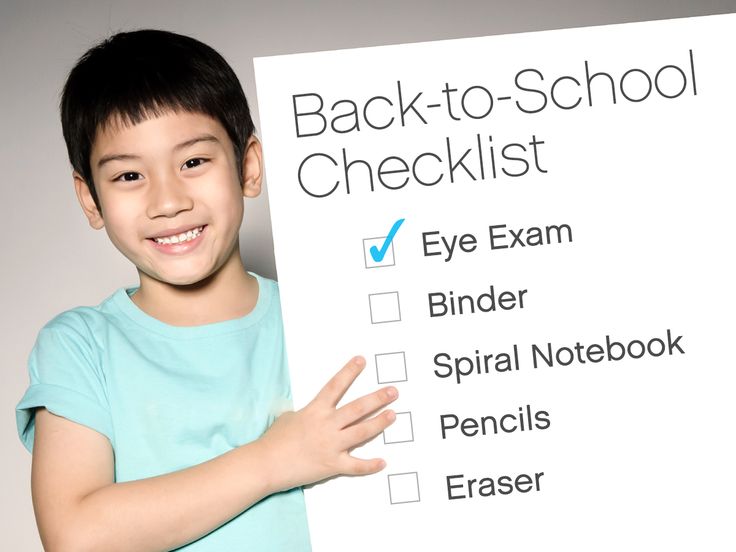
July 24, 2018 – Back-to-school time is just around the corner, and the scramble to buy school clothes and new pencils, backpacks and notebooks will begin. Ophthalmologists remind busy parents not to neglect one of the most important learning tools: their children’s eyes.
Good vision and overall eye health are vital to learning. The Laser Eye Surgery of Erie joins the American Academy of Ophthalmology in emphasizing the importance of healthy vision to academic success during Children’s Eye Health and Safety Month in August.
Because children are still growing, being vigilant about eye health is important. The earlier problems are identified; the sooner they can be addressed. For healthy eyes and vision throughout the school year, Laser Eye Surgery of Erie and The American Academy of Ophthalmology recommend the following four tips:
1. Get regular childhood vision screenings – Children’s eyes change rapidly, making regular vision screenings an important step in detecting and correcting eye problems early. In addition to screenings for infants, the Academy recommends further vision screening for children when they are:
• Pre-school age, between age 3 and 3 and a half
• Entering school
• Experiencing a possible vision problem
For school-age children, a vision screening, which is less comprehensive than a dilated eye examination by an ophthalmologist, can be performed by a pediatrician, family physician, nurse or trained technician during regular checkups. If the screening detects a problem, the child may need to see an ophthalmologist — an eye physician and surgeon – or other eye care professional.
2. Know and share your family eye health history – Everyone should find out whether eye conditions or diseases run in their family. Parents should share that information with the person performing the screening when possible. Examples of common eye conditions include nearsightedness, crossed eye, known as strabismus, and lazy eye, known as amblyopia. If these are not treated in childhood, they can cause permanent vision loss in one eye.
3. Watch for signals of eye problems – Parents should be alert to symptoms that could indicate an eye or vision problem, such as complaints of eyestrain, headaches and squinting when reading or performing other common activities. Other symptoms to look for include a white or grayish-white coloring in the pupil, one eye that turns in or out, or eyes that do not track in sync together.
4. Wear protective eyewear when playing sports – Eye injuries while playing sports can cause serious damage, whether by getting smacked with an elbow during basketball or hit with a hockey stick. If your child plays racket sports, hockey, field hockey, baseball or basketball, consider having them wear goggles or other certified protective eyewear.
Visit the Academy’s website to learn more about common childhood eye conditions
by Robert Haverly | Jun 22, 2018 | News
Will Your Sunglasses Protect You From Serious Eye Disease?
Laser Eye Surgery of Erie joins the American Academy of Ophthalmology in offering tips on how to protect your eyes against harmful UV exposure
With summer in full swing, the days are longer, the sun hotter, and the threat from the sun’s damaging ultraviolet rays, greater. Excess sun exposure can put you at risk of serious short-term and long-term eye problems. This is true for young and old, year-round. Prevention is simple. Wear sunglasses that block ultraviolet radiation. But how do you know if your sunglasses are up to the task of protecting your family’s sight?
To bring attention to this important eye health matter, ophthalmologists — physicians who specialize in medical and surgical eye care — are sharing information on how to keep eyes safe from sun damage.
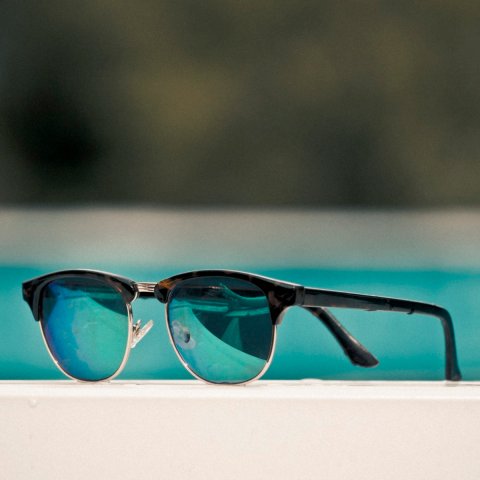
When shopping for sunglasses, look for a tag or label that says 100% protection against both UVA and UVB or 100% protection against UV 400. UV protection is the essential piece you need to look for in a pair of sunglasses. Darkness and color do not indicate the strength of UV protection, and neither does the price tag. Even the least expensive sunglasses can offer adequate protection.
If you doubt your sunglasses have the UV protection claimed by a retail tag, take them to an optical shop. Any shop that has a UV light meter can test your sunglasses. A UV light meter is a handy test for when you doubt your sunglasses have the UV protection claimed by a retail tag or if they are simply old and you want to make sure.
There is no doubt about the consequences of not protecting your eyes from the sun’s harmful rays. If eyes are exposed to strong sunlight for too long without proper protection, UV rays can burn the cornea and cause temporary blindness in a matter of hours.
Long-term sun exposure is linked to more serious eye disease, such as cataracts, eye cancer and growths on or near the eye. A lifetime of exposure also likely increases progression of age-related macular degeneration, a condition that can cause blindness.
In addition to shades, consider wearing a hat with broad brim. They have been shown to significantly cut exposure to harmful rays. Also, don’t forget the sunscreen!
Find more information on how to protect your eyes from the sun year-round at the Academy’s EyeSmart website.
