Smoking is as bad for your eyes as it is for the rest of your body. If you smoke, you can develop serious eye conditions that can cause vision loss or blindness. Two of the greatest threats to your eyesight are:
Macular degeneration
Cataracts
Macular degeneration, also called age-related macular degeneration (AMD), is an eye disease that affects central vision. You need central vision to see objects clearly and for common tasks such as reading, recognizing faces, and driving.
There are two forms of AMD: dry AMD and wet AMD. Macular degeneration always begins in the dry form, and sometimes progresses to the more advanced wet form, where vision loss can be very rapid if untreated.
Cataracts cause blurry vision that worsens over time. Without surgery, cataracts can lead to serious vision loss. The best way to protect your sight from damage linked to smoking is to quit or never start smoking.
Symptoms of Eye Diseases Related to Smoking
You may think your eyes are fine, but the only way to know for sure is by getting a full eye exam. AMD often has no early symptoms, so an eye exam is the best way to spot this eye disease early. An eye specialist will place special drops in your eyes to widen your pupils. This offers a better view of the back of your eye, where a thin layer of tissue (the retina) changes light into signals that go to the brain. The macula is a small part of the retina that you need for sharp, central vision.
When symptoms of AMD do occur, they can include:
Blurred vision or a blurry spot in your central vision
The need for more light to read or do other tasks
Straight lines that look wavy
Trouble recognizing faces
Eye injections are often the preferred treatment for wet AMD. Your doctor can inject a drug to stop the growth of these blood vessels and stop further damage to your eyes. You may need injections on a regular basis to save your vision.
How Does Smoking Affect Your Eyes?
Smoking causes changes in the eyes that can lead to vision loss. If you smoke:
You are twice as likely to develop AMD compared with a nonsmoker.
You are two to three times more likely to develop cataracts compared with a nonsmoker.
How Can You Prevent Vision Loss Related to Smoking?
If you smoke, stop. Quitting may lower your risk for both AMD and cataracts.
If you already have AMD, quitting smoking may slow the disease. AMD tends to get worse over time. Quitting smoking is something within your control that may help save your sight. Other healthy habits may also help protect your eyes from cataracts and AMD:
Exercise regularly.
Maintain normal blood pressure and cholesterol levels.
Eat a healthy diet rich in green, leafy vegetables and fish.
Wear sunglasses and a hat with a brim to protect your eyes from sunlight.
How Is a Cataract Treated?
The symptoms of an early cataract may improve with new eyeglasses, brighter lighting, antiglare sunglasses, or magnifying lenses.
When glasses and brighter lighting don’t help, you may need surgery. A doctor will remove the cloudy lens and replace it with an artificial lens. This clear, plastic lens becomes a permanent part of your eye.
Help for Vision Loss
Coping with vision loss can be frightening, but there is help to make the most of the vision you have left and to continue enjoying your friends, family, and special interests. If you’ve already lost some sight, ask your health care professional about low-vision counseling and devices such as high-powered lenses, magnifiers, and talking computers.
For additional information on AMD prevention and treatment, visit the National Institute of Health’s Macular Degeneration Web page.
For eye health information from the American Academy of Ophthalmology, visit the Eye Smart Web site.
The American Academy of Ophthalmology is the national membership association of Eye M.D.s. Eye M.D.s are ophthalmologists, medical and osteopathic doctors who provide comprehensive eye care, including medical, surgical, and optical care.
AT WORK: At Laser Eye Surgery of Erie, where he has been for over 32 years, he is an essential part of the LASIK team. He assists in surgeries, assures calibrations are correct, and helps patients around the practice.
OUTSIDE OF WORK: Bill enjoys spending time with his family and friends. He likes reading ? and traveling. ? He enjoys finding and keeping in touch with military buddies and friends from the past- he served in the Air Force in Dover, Delaware and Misawa, Japan in the Flight Surgeon’s office. ? Bill takes pride in helping others to improve their lives, enjoys metal detecting and fishing year-round, ? and loves automotive diagnostics. ??
His favorite quote, “Believe nothing you hear, and only one half that you see.” -Edgar Allen Poe His favorite snack is an Almond Joy?? and his favorite color is (rightfully so) Air Force Blue ?
World Keratoconus Day is celebrated on November 10th. It is sponsored by the National Keratoconus Foundation, an educational program of the Gavin Herbert Eye Institute, UC Irvine. The day is dedicated to raising awareness about keratoconus (KC), as well as educating and advocating for those living with keratoconus.
The NKCF’s initiatives surrounding World KC Day are as follows:
Encouraging people around the world to share their KC stories
Educating patients, friends and family about keratoconus
Collaborating with fellow KC organizations
What is Keratoconus?
Keratoconus, often referred to as ‘KC’, is a non-inflammatory eye condition in which the typically round dome-shaped cornea progressively thins and weakens, causing a cone-like bulge to develop. This can result in significant visual loss.
To learn more about KC, including symptoms and treatment options, click here.
How Can You Get Involved?
You can help raise awareness and advocate for keratoconus! This year, we are focusing on the theme of Keratoconus Confidence and how a KC diagnosis doesn’t have to hold you back from doing what you love. We want to hear about what gives you confidence! Participating in World KC Day is simple:
Share what it means to you to be living with keratoconus and how you are remaining confident by using the hashtags #WorldKCDay, #KCConfidence and #LivingWithKC
Take a selfie or share a picture that shows your perspective on KC, including you or your family members doing activity they love and submit it to info@nkcf.org to be shared on the NKCF’s World KC World KC Gallery
Wear a lime green or chartreuse ribbon as a symbol of keratoconus awareness and tag Living with KC in your photos on social media
Follow and engage with others in the keratoconus community to share your experiences and raise awareness for KC
Don’t forget to add yourself to the NKCF’s Interactive World KC Day Interactive World KC Day Map
Make sure to visit the NKCF’s World KC Day website (worldkcday.com) to learn about other World KC Day programs and activities, and follow Living with KC on Facebook, Twitter, and Instagram.
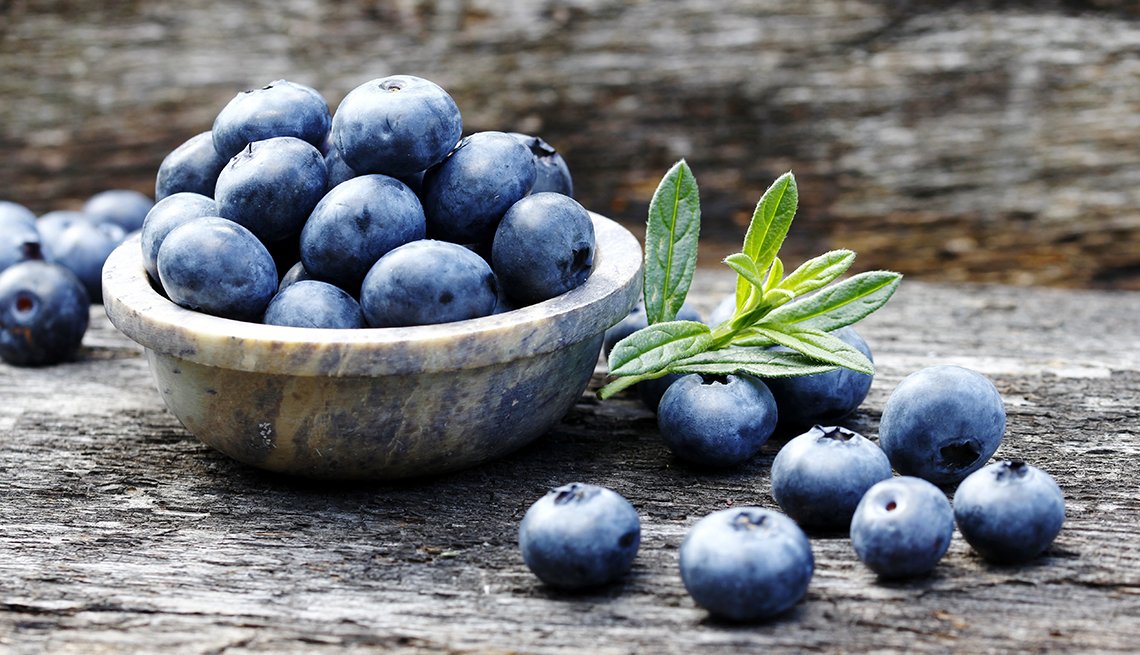
These violet-hued gems are rich in anthocyanins, potent antioxidants that bolster collagen structure in the retina and provide extra vision protection, notes Johanna Seddon, M.D., an expert on macular degeneration and coauthor of Eat Right for Your Sight. They also may improve vision in people with normal tension glaucoma, a form of the disease that damages the optic nerve. If you spend a lot of time in the sun, anthocyanins can protect your retina against damage from UV light exposure. You’ll also get anthocyanins from other purple, blue and dark red foods like red or purple grapes, blackberries, pomegranates and cranberries.
Dark Chocolate
Here’s a guilt-free reason to indulge in a chunk of dark chocolate today: A 2018 study published in JAMA Ophthalmology found that adults who ate a bar of dark chocolate could literally see better — with greater improvements in visual clarity and contrast sensitivity — about two hours afterward than those who consumed milk chocolate. Even if your Dove bar doesn’t sharpen your vision, the flavonoids found in dark chocolate may help improve vision in people with glaucoma as well as reduce the risk for macular degeneration. But consume in moderation, or you’ll have other health issues to worry about!
Eggs
Egg yolks are loaded with the same powerful eye-protecting antioxidants, lutein and zeaxanthin, that are found in leafy green vegetables, notes Marguerite McDonald, M.D., clinical professor of ophthalmology at NYU and Tulane University. The beauty of getting them in your omelets is that the high fat content in eggs means that you can easily absorb all that antioxidant goodness. A 2020 study in the journal Clinical Nutrition found that people who consume two to four eggs per week have a significantly lower risk of developing late-stage age-related macular degeneration than those who consume one egg or less per week over 15 years. Egg yolks are also a rich source of vitamin D, which may also help protect against macular degeneration.
Oysters
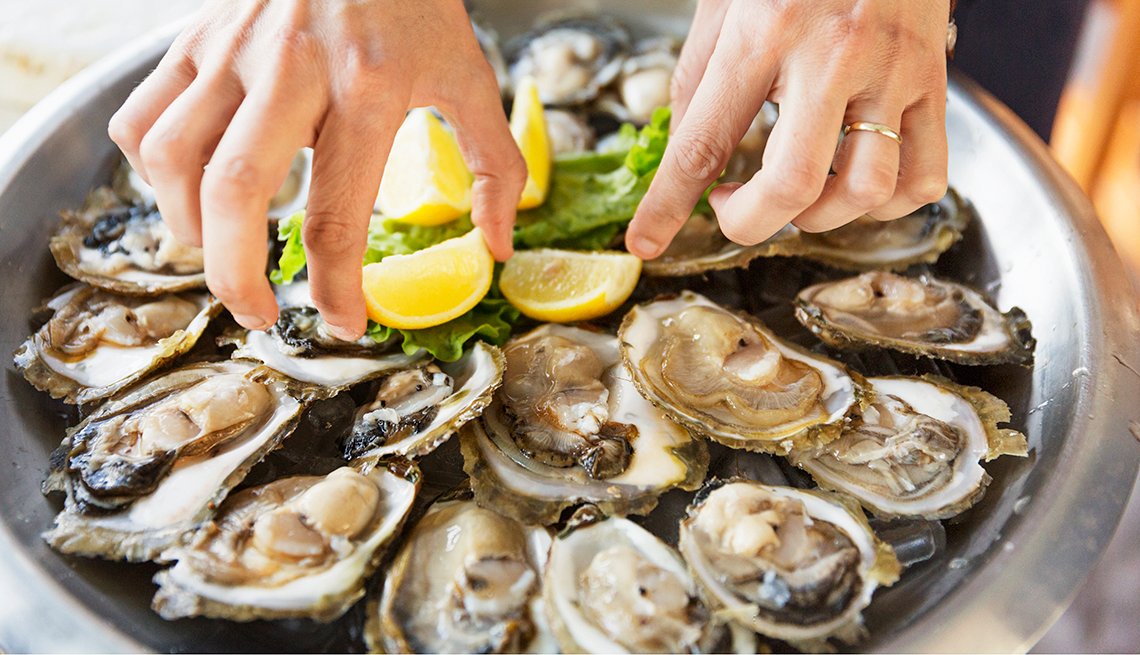
Shellfish like oysters are among the best sources of the mineral zinc, which protects the eyes against the damaging effects of sunlight, McDonald notes. In high doses, zinc also appears to slow the progression of macular degeneration once you have early stages of the disease. But you don’t need more than the recommended dose — 8 milligrams a day for women and 11 milligrams a day for men. Oysters deliver more of the mineral than any other food, but you also can get plenty of zinc from lean red meat, poultry, beans, legumes and fortified cereals.
Oranges
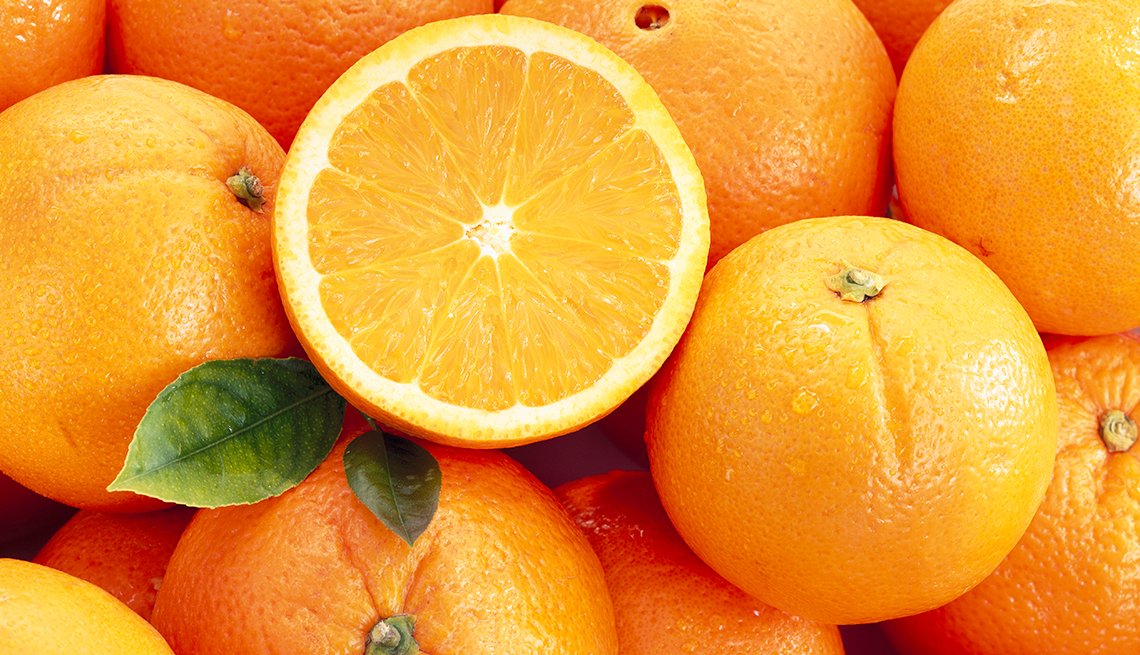
Vitamin C should really be called “vitamin See” because it has such a profound effect on vision. Like other antioxidants, it helps protect against free-radical damage and may reduce your risk of developing cataracts and macular degeneration. It also helps build collagen, which provides structure for your cornea. You can also get ample doses of C from other citrus fruits, strawberries, kiwi, red bell pepper, cantaloupe and broccoli.
Carrots
No list of sight-saving foods would be complete without carrots — after all, as the joke goes, you never see a rabbit wearing glasses. Bad Bugs Bunny yuks aside, carrots are a rich source of beta-carotene, an antioxidant carotenoid that your body converts to vitamin A, which is essential for good vision. Vitamin A helps with the production of both rod and cone cells in the eyes, which help you see in low light conditions and see colors. Beta-carotene also helps fend off disease-causing free-radical damage. Eating high amounts may lower your risk for diseases like macular degeneration, cataracts and glaucoma. You can get beta-carotene from yellow, orange and red fruits and veggies like sweet potatoes and cantaloupes as well as dark leafy greens like kale and broccoli.
Almonds
Almonds are great sources of vitamin E, an antioxidant that protects the eyes from free-radical damage. Research has also found that people who have relatively high dietary intakes of vitamin E have a 20 percent lower risk of developing age-related macular degeneration. The recommended daily intake of this antioxidant vitamin is 15 milligrams, the amount in about 2 ounces of almonds. Other good sources of vitamin E include sunflower seeds, hazelnuts, vegetable oils, peanuts and peanut butter.
Salmon
“Getting omega-3 fatty acids matters for maintaining healthy eyes,” says Sunir J. Garg, M.D., a retina surgeon at Wills Eye Hospital in Philadelphia. A 2019 metanalysis of studies examined consumption of specific food groups and age-related macular degeneration and found that people who regularly ate fish had an 18 percent reduced risk of developing the sight-stealing disease. Aim for two to three servings a week of cold-water fish such as salmon, tuna, sardines or halibut.
Kale
Kale, spinach and other dark leafy greens like collard greens and turnip greens are packed with lutein and zeaxanthin, antioxidants that are stored in the eye’s macula, which helps shield the eye from damaging light. Lutein is especially good at filtering out blue light, which is the kind that glares from the screens of digital devices. These antioxidants also appear to help promote rich blood flow to your eyes. Lutein and zeaxanthin are fat soluble, so drizzle on olive oil for maximum absorption — and deliciousness.
Tomatoes
Tomatoes contain a positive quadruple whammy of nutrients that protect eye health: lycopene, which is part of the carotenoid family, as well as the antioxidants lutein, zeaxanthin and beta-carotene. The antioxidants can help against light-induced damage and the development of cataracts. And lycopene may play a role in preventing age-related macular degeneration: One study found that people with higher blood levels of lycopene and zeaxanthin have a significantly lower risk of developing age-related macular degeneration. Other good sources of lycopene include watermelon, pink grapefruit, papaya and dried apricots.
You might not think (or want to think) of your glasses as another place where germs hang out, but your hands can easily collect bacteria, mold spores, and other eye irritants and leave them on your lenses and frames.
Bacteria are multipliers, so they’re great at producing a crowd on your glasses and sunglasses. They also thrive in the warm, moist environment of your eyes, opening the door to problems ranging from uncomfortable eye conditions to more widespread health concerns. And because we constantly go from touching our glasses to touching our eyes and back again, the cycle continues.
The coronavirus has already made us more conscious than ever of germs, so make disinfecting your glasses part of your cleaning routine. You’ll face fewer germs and irritants, see through clearer lenses, and even lower the risk of developing acne where your frames contact your skin.
HOW TO CLEAN YOUR GLASSES
What to Do
It’s easy to sanitize your lenses and frames. COVID-19 has us washing our hands rigorously for about 20 seconds—cleaning bacteria from your eyeglasses just takes a little more time and a gentler touch.
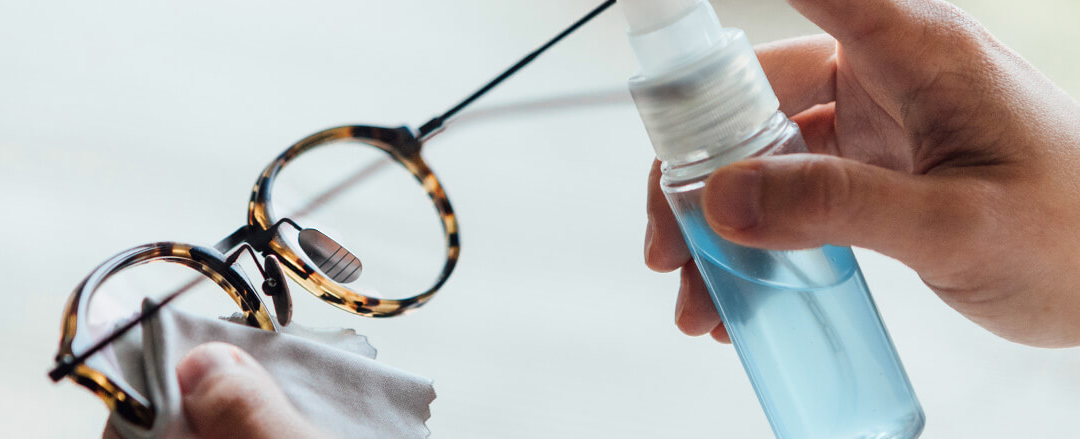
We asked Dr. Ryan Parker, Essilor of America’s eye doctor spokesperson, how to safely disinfect glasses, especially during the pandemic. “The best way to do this is no different than cleaning our hands,” Dr. Parker says. “Simple soap and hot water will clean the lenses, remove bacteria and viruses, and be safe for all parts of the glasses.” Make sure you get into all the tight spaces, like the nose pads, insides of hinges, and so on.
Dr. Parker also suggests a diluted solution (70%) of isopropyl alcohol. “It should not pose any issues to good-quality lenses, but one should be careful because it can remove some ink and dyes from the frame.” It’s a good idea to check with an eyecare provider near you to make sure there are no issues with your particular glasses and any special coatings the lenses might have.
After a thorough washing and drying, try occasionally wiping your eyeglasses clean throughout the day with a soft towel or microfiber cloth that’s approved for lenses. Crizal® micro cleaning cloths are not only designed to use on Crizal lenses with anti-glare technology, but are also perfectly safe for cleaning eyeglass lenses of any kind.
What Not to Do
Naturally, there are a few cleaning methods we advise against using to disinfect your eyeglasses. And though some of them might get rid of germs, they could also create new problems for you and your eyewear.
With all the lens fogging that comes with wearing a mask, you might be tempted to use that condensation for cleaning. Your breath doesn’t provide enough moisture to wash away contaminants, so any germs could still be present. Not to mention, wiping dirt particles across a mostly dry lens can scratch the surface or coating. Really, in terms of safety and clear vision, the best thing is to have lenses that won’t fog up in the first place.
Don’t wipe lenses with a paper towel or facial tissue—the fibers can cause scratches.
Never use harsh cleaning products that contain bleach, vinegar, or ammonia. “You want to stay away from household glass cleaners as they have chemicals in them that can damage certain lens coatings,” notes Dr. Parker.
Don’t use disinfectant wipes to clean your glasses—they might actually damage your lenses.
Dr. Parker also says to “stay away from soaps that have those abrasive beads in them.”
HOW OFTEN TO CLEAN YOUR GLASSES
Dr. Parker recommends that you disinfect your glasses once a day. And try to get into the habit of putting your glasses in a case when you aren’t wearing them—even something this simple adds another layer of defense against bacteria.
Oh, and remember to wash your hands, wash your hands, wash your hands. Keeping hands clean helps ensure that your glasses stay free of germs and viruses that can spread from lenses and frames to your face and eyes.
By paying a little extra attention to properly sanitize your glasses and sunglasses, you’re helping to minimize the spread of everything from common household germs to the coronavirus. That promotes a healthier environment for you and everyone around you.